Pelvic Health Physical Therapy
We help adults with bowel, bladder, or sexual dysfunction be pain-free and leak-free so they can return to their active lifestyles.
What is Pelvic Floor Physical Therapy?
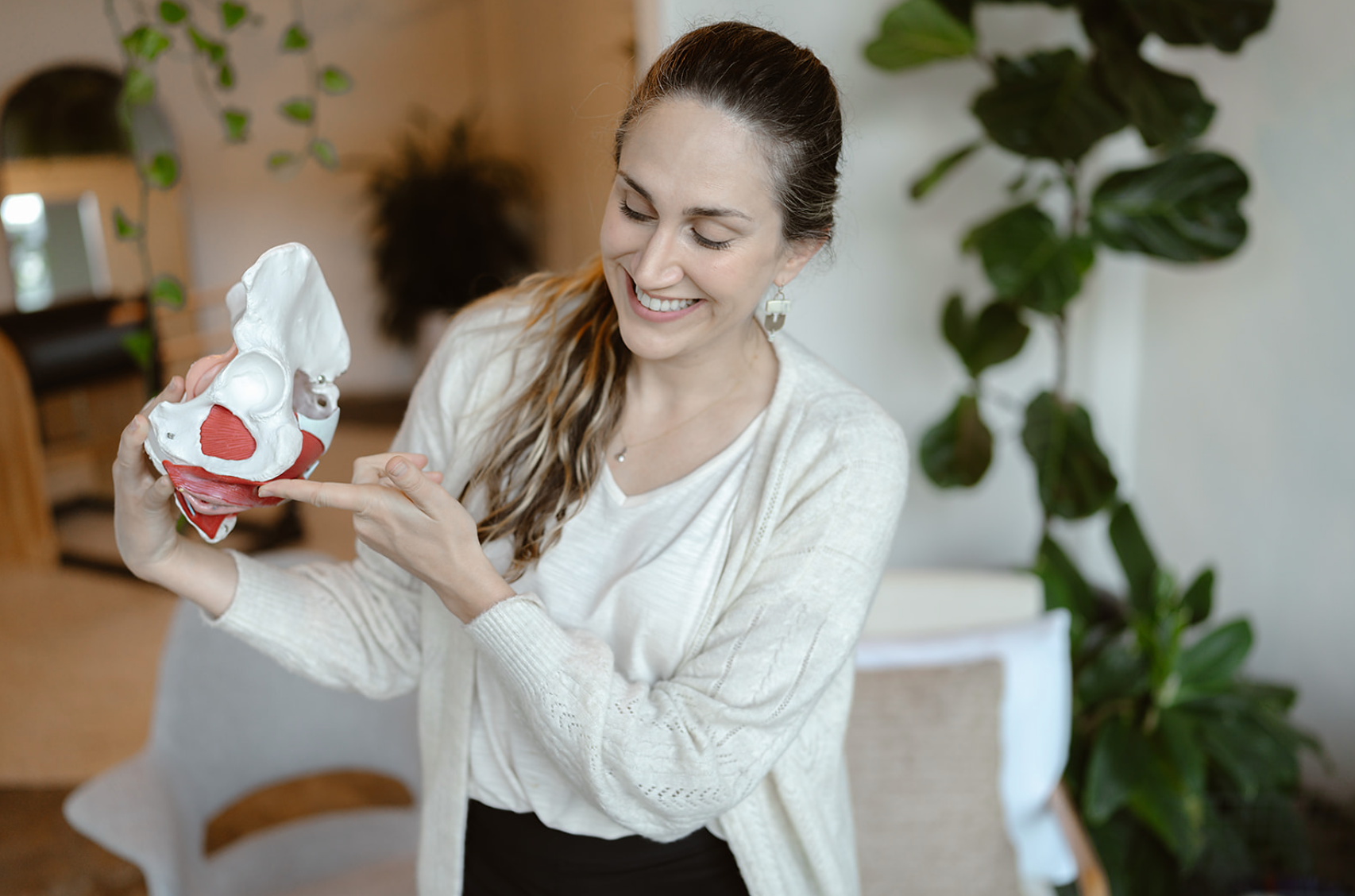
Pelvic Floor PT is similar to general physical therapy which treats muscles, joints, tendons, ligaments, and nerves, but focuses on the pelvic region of the body.
The pelvic floor is responsible for supporting the bowels, bladder and sexual organs, stabilizing the pelvic bones, creating a foundation for the spine, aiding with orgasms and helping us stay leak-free.
Our team is experienced and skilled in helping patients restore these functions with grace and confidentiality.

What Conditions Do We Treat?
-
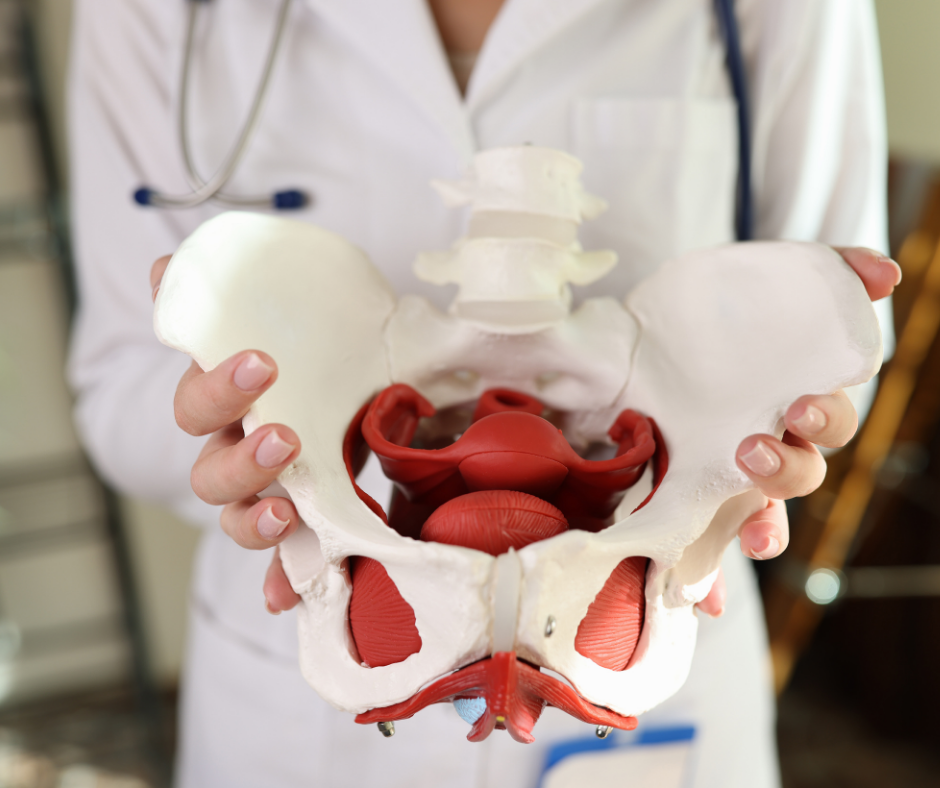
Bladder
- Urinary Leakage
- Urinary Urgency
- Urinary Hesitancy
- Pelvic Organ Prolapse
- Bladder Pain
- Genitourinary Syndrome of Menopause
- Interstitial Cystitis
-

Bowel
- Constipation
- Outlet Dysfunction
- Leakage
- Pelvic-Floor Laxity
- Pelvic Weakness
- Rectocele
- Anal Pain
-
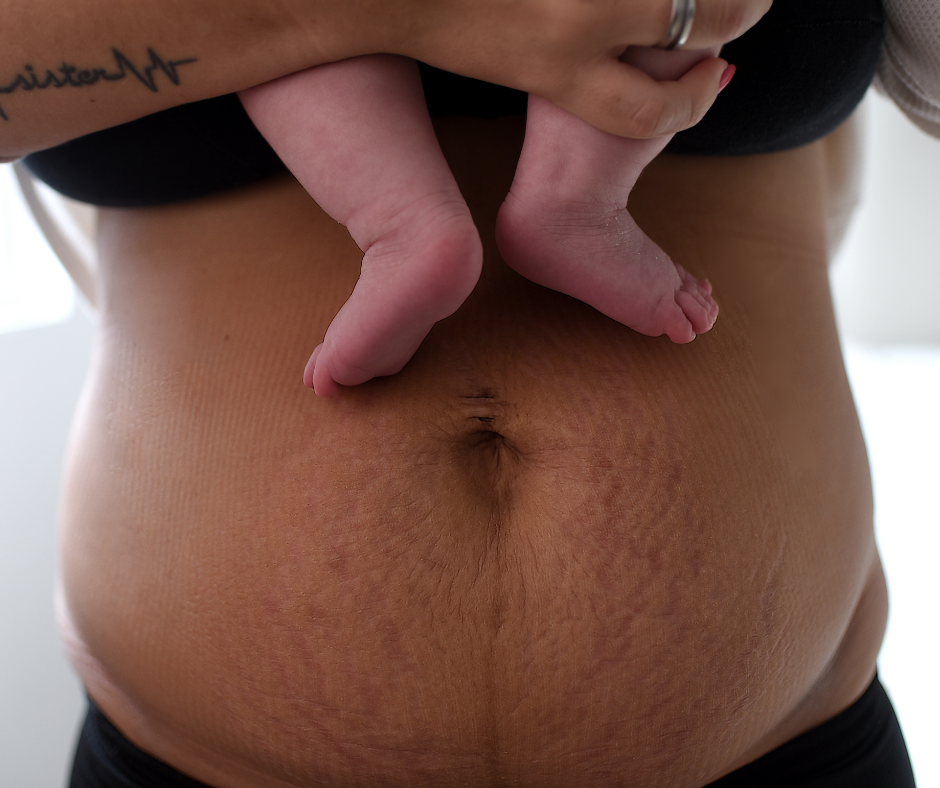
Prenatal/Postpartum
- Delivery Prep and Practice
- Abdomen Separation
- Hip/Back Pain
- Pelvic Pain
- SIJ Dysfunction
- Pubic Symphysis Disorder
- Pelvic Organ Prolapse
- Tailbone Pain
-
Pain
- Dyspareunia (painful intercourse)
- Decreased Orgasm/Libido
- Genitourinary Painful Penetration Disorder
- Vaginismus
- Vulvodynia
- Vestibulodynia
- Painful orgasm
- Penile Pain

Our Approach
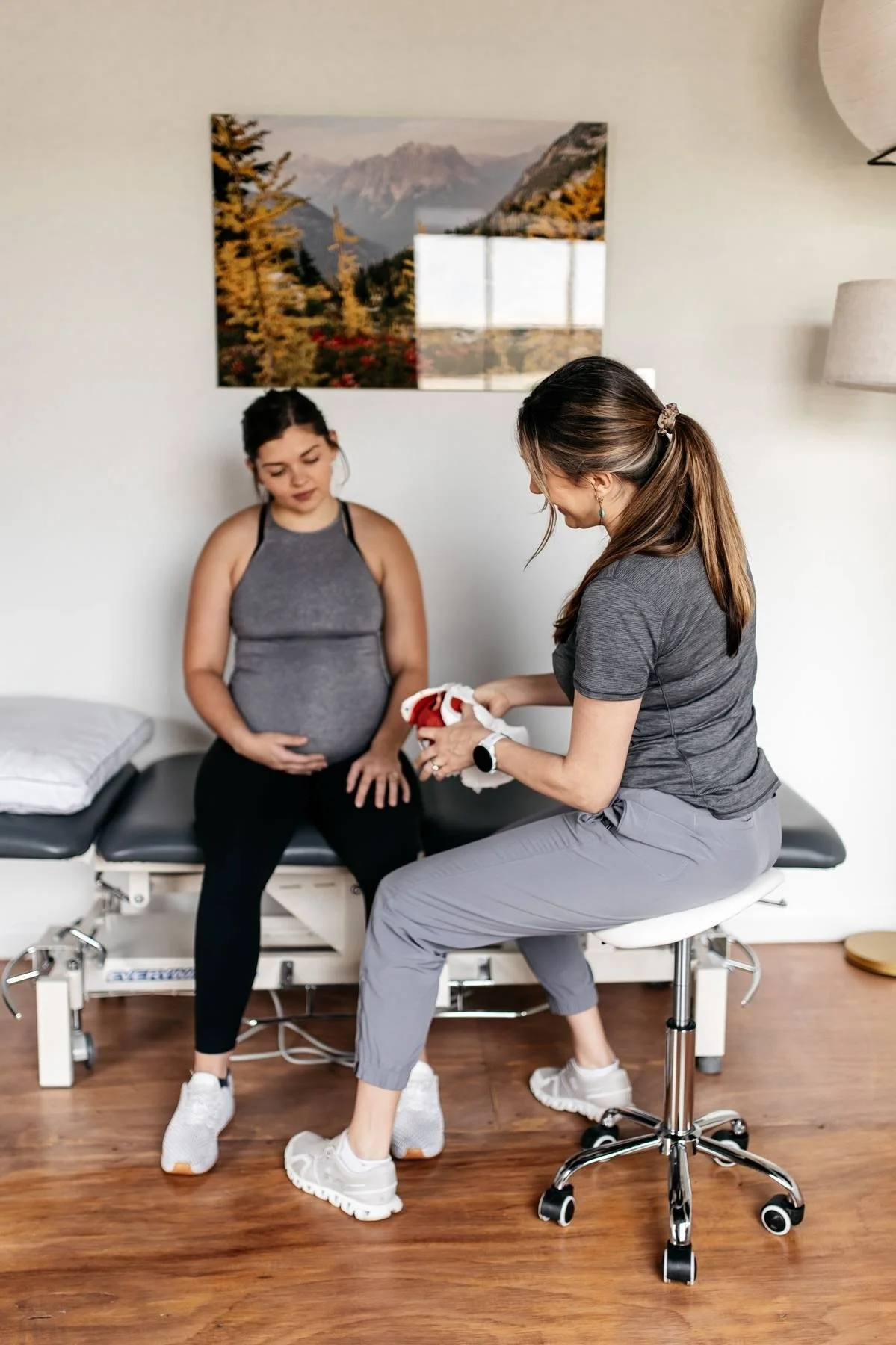
With a decade of experience in treating pelvic floor disorders, our team is experienced and skilled at helping patients get to the root of their health issues and make lasting changes. We always create a safe and comfortable space for you to discuss intimate concerns. Your goals, comfort, and body autonomy are always prioritized.
Treatment Techniques
-

Manual Therapy
Hands-on techniques to address muscle imbalances, trigger points, and joint restrictions in the pelvic region.
-

Therapeutic Exercises
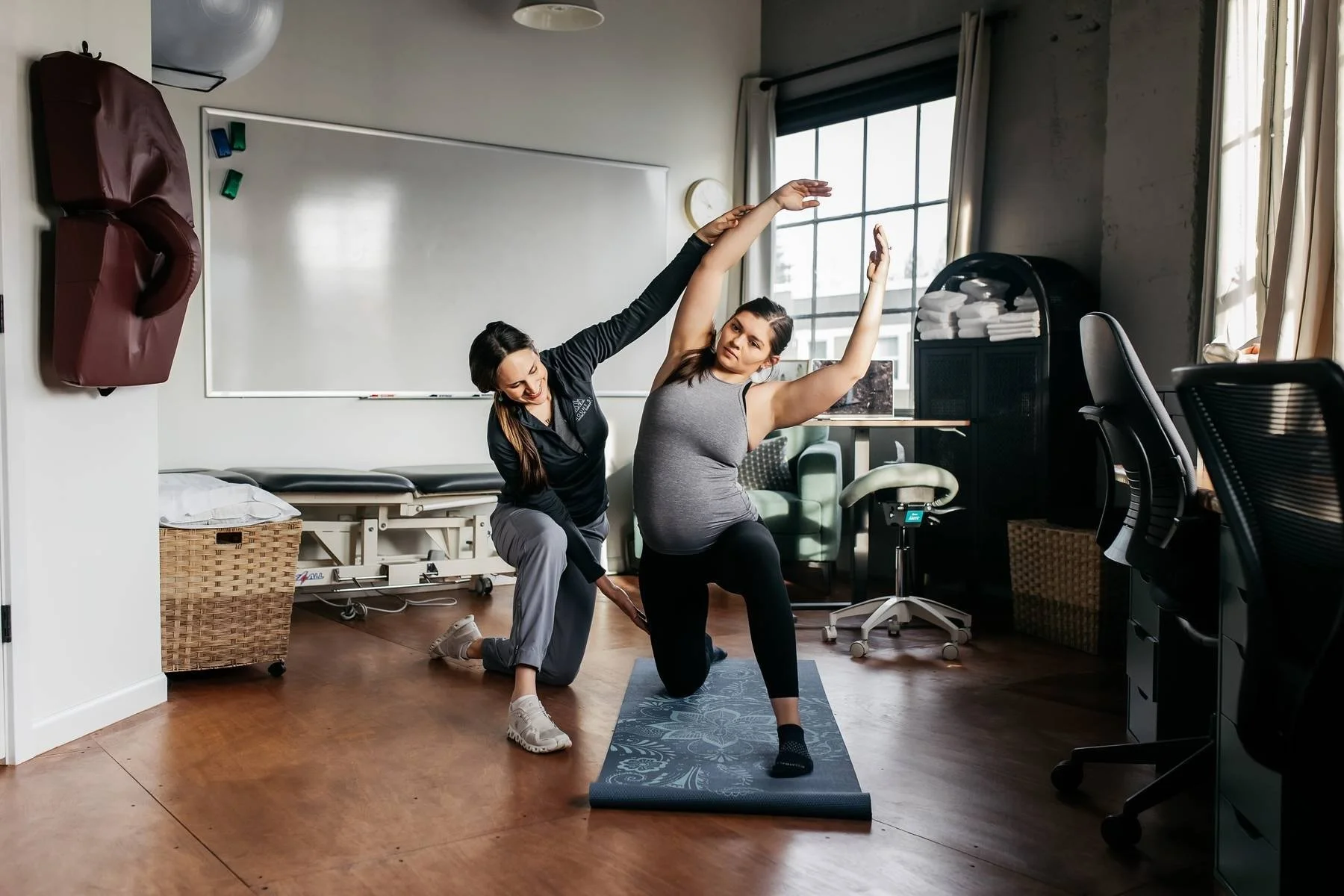
Customized exercises to strengthen or relax pelvic floor muscles, depending on individual needs.
-

Mindfulness & Biofeedback
Mindfulness and biofeedback in pelvic floor therapy manages pain, improves sleep, and reduces stress. Dr. Beckham, trained by expert Carolyn McManus, integrates mindfulness to help clients find greater ease.
-

Education & Lifestyle Modifications
Empowering clients with knowledge about their pelvic health and recommending lifestyle changes to support long-term well-being.

Who Can Benefit?
Both men and women have pelvic floors and can develop pelvic floor issues that need treatment. Pelvic floor PT will help you improve core connection so you can return to a pain-free and leak-free lifestyle.

Are You Pregnant?
Stay Strong. Birth better.
Recover Faster.
Pelvic Floor Birth Prep Course
** Now with an in-person option for North Bend, WA
Want to get started today?
Embarking on pelvic health physical therapy is a positive step towards reclaiming your life and enjoying optimal health. If you are ready to take charge of your pelvic health, contact us today. We look forward to being a partner in your journey towards a leak-free and pain-free life!
A Patient's Journey: Video Testimonial
As Featured In


FAQs
-
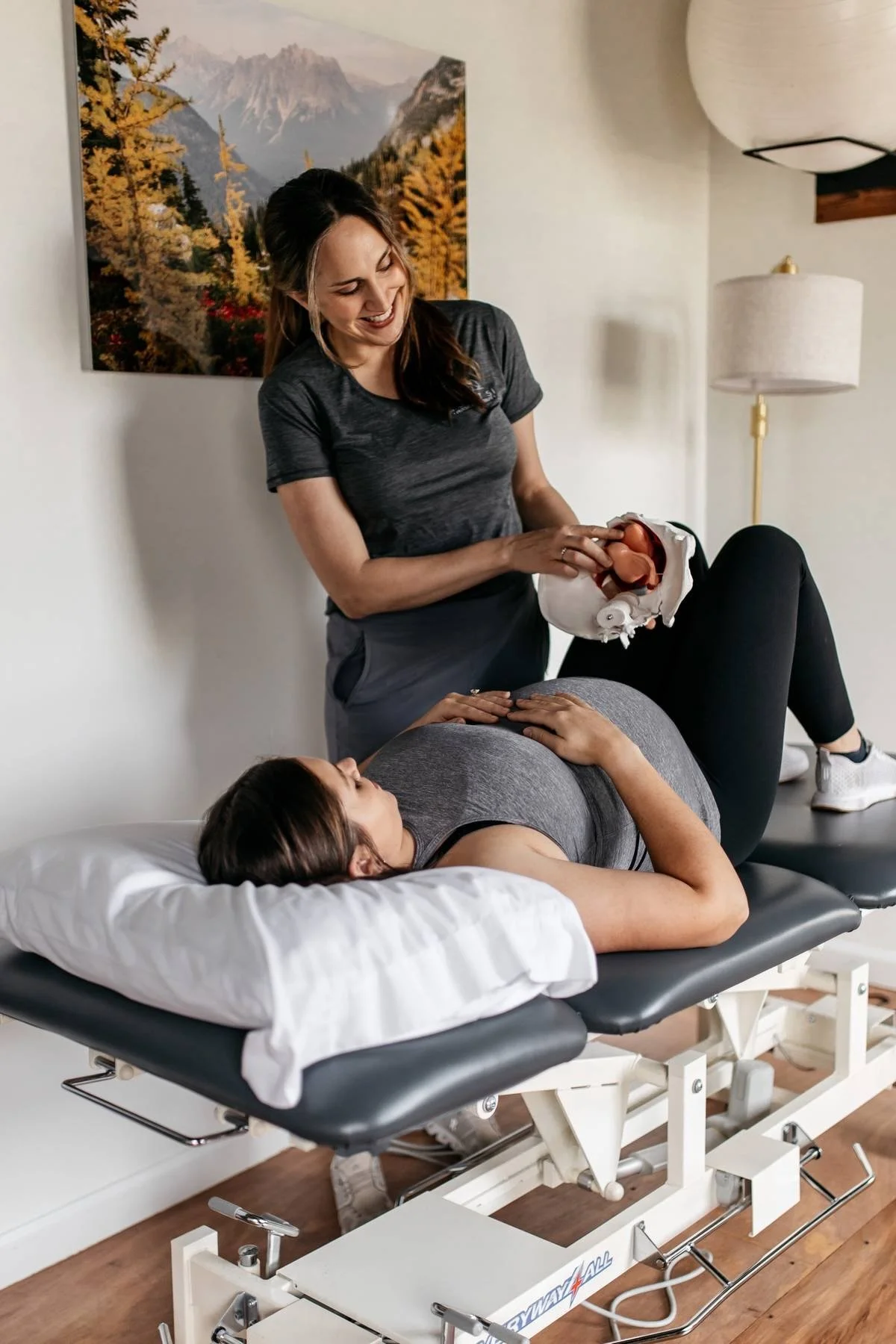
Yes, prenatal pelvic physical therapy can be very beneficial. It can help prepare your body for childbirth, manage pain, and provide exercises to strengthen the pelvic floor and core muscles.
-
It is generally recommended to wait about 6 weeks postpartum before your first pelvic physical therapy appointment. However, you can discuss with your healthcare provider to determine the best time for you based on your individual recovery.
-
No, you do not need to cancel your appointment if you are menstruating. Pelvic physical therapy can still be effective during your menstrual cycle. If you feel uncomfortable, let your therapist know, and they can adjust the treatment accordingly.
-
Yes, we treat both male and female patients for pelvic dysfunctions. Conditions such as pelvic pain, incontinence, and post-surgical recovery can be effectively addressed with pelvic physical therapy.
-
We treat a variety of conditions including urinary incontinence, pelvic pain, prolapse, painful intercourse, postpartum recovery, constipation, and more.
-
Wear comfortable, loose-fitting clothing. You may also be asked to partially disrobe for a more thorough examination of the pelvic area, but we will always ensure your comfort and privacy.
-
Each session is one hour.
-
The number of sessions required varies based on the individual and the condition being treated. Your therapist will provide a personalized treatment plan after your initial evaluation.
-
Pelvic physical therapy should not be painful. Some discomfort may occur, especially if you are dealing with pelvic pain issues, but your therapist will work within your comfort levels and adjust treatments as needed.